
Best Intraday Trading Strategies for Beginners in 2026: Complete Guide (Updated for the Indian Stock Market)
Intraday trading — buying and selling stocks within the same trading day without holding positions overnight — can be an exciting way to earn profits quickly. However, it is also one of the riskiest forms of trading, especially for beginners. In 2026, the Indian stock market (NSE & BSE) continues to experience high volatility due to factors like algorithmic trading, global economic events, FII/DII flows, interest rate changes, and budget announcements.
This comprehensive, SEO-optimized guide is specially designed for beginners (including those from cities like Patna, Bihar, or other parts of India) who want to start intraday trading safely and smartly. We cover the best strategies, step-by-step rules, essential indicators, risk management tips, and real-world examples tailored to 2026 market conditions.
Important Disclaimer: Intraday trading carries a high risk of loss. Over 90% of beginners lose money in their first year. This article is for educational purposes only and not financial advice. Always start with paper trading, use small capital, and consult a SEBI-registered advisor if needed.
What Is Intraday Trading and Why Is It Challenging for Beginners?
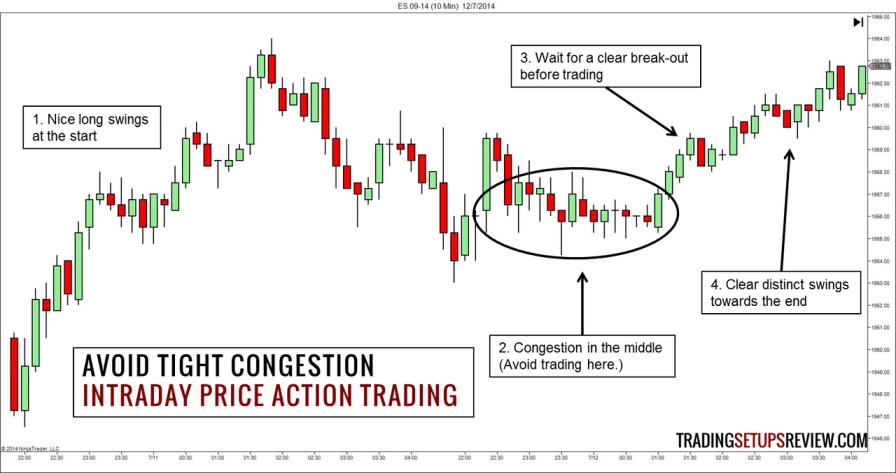
- Definition: All positions must be squared off before market close (3:30 PM IST).
- Advantages: No overnight gap risk, leverage (margin) available, potential for quick gains.
- Challenges: High emotional pressure, brokerage + taxes (STT, GST), fast decision-making required.
- Best Trading Windows in 2026: First 1–1.5 hours after open (9:15–10:45 AM) and last hour (2:30–3:30 PM) offer the highest volatility and opportunities.
Top 7 Proven Intraday Trading Strategies for Beginners in 2026
- Momentum Trading Strategy (Most Popular & Beginner-Friendly) Catch stocks that are already moving strongly in one direction.
- How to Trade: Scan for stocks gapping up/down with high volume in pre-market. Enter when price shows strong momentum (e.g., consecutive green candles).
- Key Indicators: RSI > 60 (bullish), MACD bullish crossover, price above VWAP.
- Entry/Exit: Buy on pullback to support + volume spike. Target 1–2% profit or trail stop-loss.
- Best Stocks (2026): High-liquidity names like Reliance Industries, HDFC Bank, Tata Motors, SBI, PSU banks.
- Risk: Fake breakouts — always use strict stop-loss (0.5–1%).
(Examples of MACD crossovers and momentum signals on charts — ideal for identifying strong intraday moves.)
- Breakout Trading Strategy (High Reward in Volatile Markets) Trade when price breaks key support/resistance levels with strong volume.
- Steps: Mark previous day high/low or pivot points. Wait for breakout on 5-min or 15-min chart.
- Entry: After breakout candle closes above resistance (buy) or below support (sell).
- Target: Next major level (aim for 1:2 risk-reward ratio minimum).
- Tools: Pivot points, Donchian channels.
- 2026 Tip: Bank Nifty and Nifty options show excellent breakout moves.
(Charts demonstrating VWAP-based breakout setups and resistance tests — very effective in current markets.)
- Scalping Strategy (Quick, Small Profits – High Frequency) Aim for 10–50 paise or 0.2–0.5% moves multiple times a day.
- Best For: Ultra-liquid stocks like Infosys, ITC, Reliance.
- Indicators: 1-min/5-min charts + 9/21 EMA crossover + Supertrend.
- Rule: Strict 0.3% stop-loss, 10–20 trades max per day.
- Pro Tip: Use discount brokers like Zerodha or Upstox to minimize costs.
- Reversal Trading Strategy (Higher Risk – Use with Caution) Trade when trend reverses from overbought/oversold levels.
- Indicators: RSI divergence, candlestick reversal patterns (hammer, shooting star, engulfing).
- Avoid as Beginner: Fake reversals are common in choppy markets.
(Classic bullish and bearish candlestick patterns like Hammer and Engulfing — essential for spotting reversals.)
- VWAP Trading Strategy (Institutional Favorite) VWAP (Volume Weighted Average Price) acts as dynamic support/resistance.
- Rule: Buy when price is above VWAP (bullish bias), sell when below.
- Best Time: Mid-day sessions (11 AM – 2 PM). Combine with EMA for better accuracy.
(VWAP in action — showing how price interacts with the line for intraday decisions.)
- Gap Trading Strategy
- Gap Fill: Most gaps get filled — fade the gap (trade opposite).
- Gap Continuation: Ride strong news-based gaps.
- Range Trading Strategy (For Sideways Markets) Buy at support, sell at resistance in range-bound stocks. Use Bollinger Bands for squeeze setups.
Essential Risk Management Rules Every Beginner Must Follow
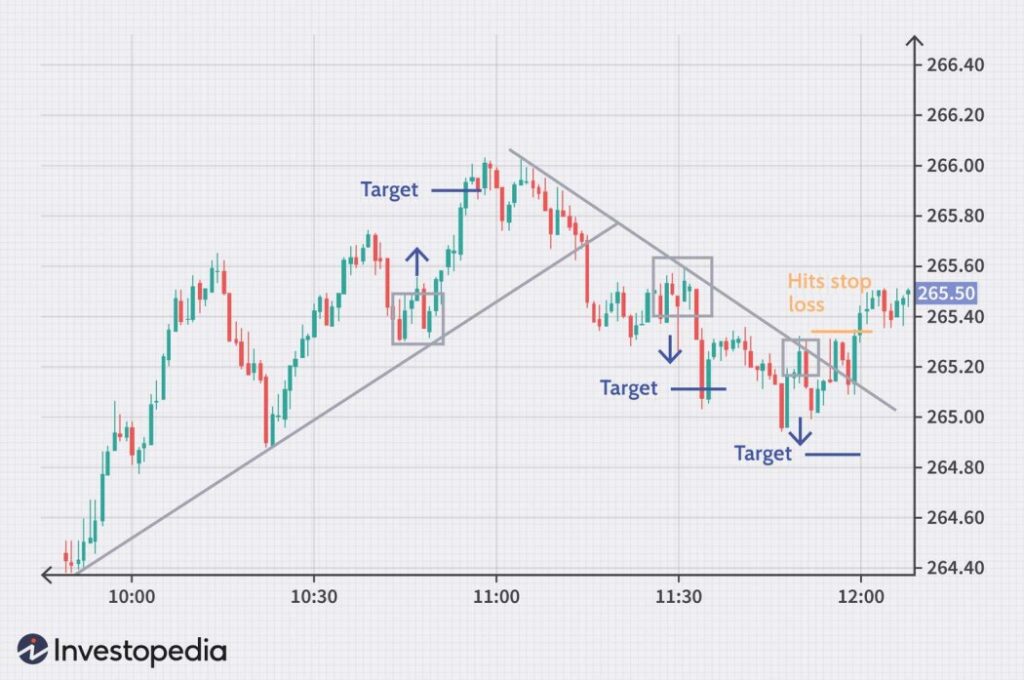
- Risk only 1–2% of capital per trade.
- Always set a stop-loss — no exceptions.
- Maintain a daily loss limit (e.g., stop trading after 2–3% loss).
- Keep a trading journal to review every trade.
- Limit to 3–5 trades per day initially.
Must-Have Indicators for Intraday Trading in 2026
- Moving Averages (9 EMA + 21 EMA)
- RSI (14-period)
- MACD
- VWAP
- Volume + Supertrend
- Open a Demat + Trading account (Zerodha, Groww, Upstox recommended).
- Practice paper trading for 1–2 months.
- Spend 30 minutes on pre-market analysis daily.
- Focus on high-probability setups in the first hour.
- Review performance at the end of each day.
Common Mistakes Beginners Make (Avoid These!)
- Overtrading
- Trading without stop-loss
- Revenge trading after losses
- Following blind tips from Telegram/WhatsApp groups
- Using excessive leverage without experience
Final Thoughts for Success in 2026
Intraday trading rewards discipline, patience, and continuous learning — not luck. Start small, stay consistent, and focus on preserving capital. Even 0.5–1% daily returns can compound significantly over time.
If you're based in Patna or Bihar, join local SEBI-registered communities for support, but always verify strategies yourself through backtesting.
Stay safe and trade smart!
DISCLAIMER (Short Version)
Intraday trading involves high risk and you may lose your entire capital. This article/video provides educational information only — not financial, investment, or trading advice.
Past performance does not guarantee future results. Market conditions can change suddenly.
The author is not a SEBI-registered advisor. Always do your own research, consult a qualified SEBI-registered professional, and trade only with money you can afford to lose.